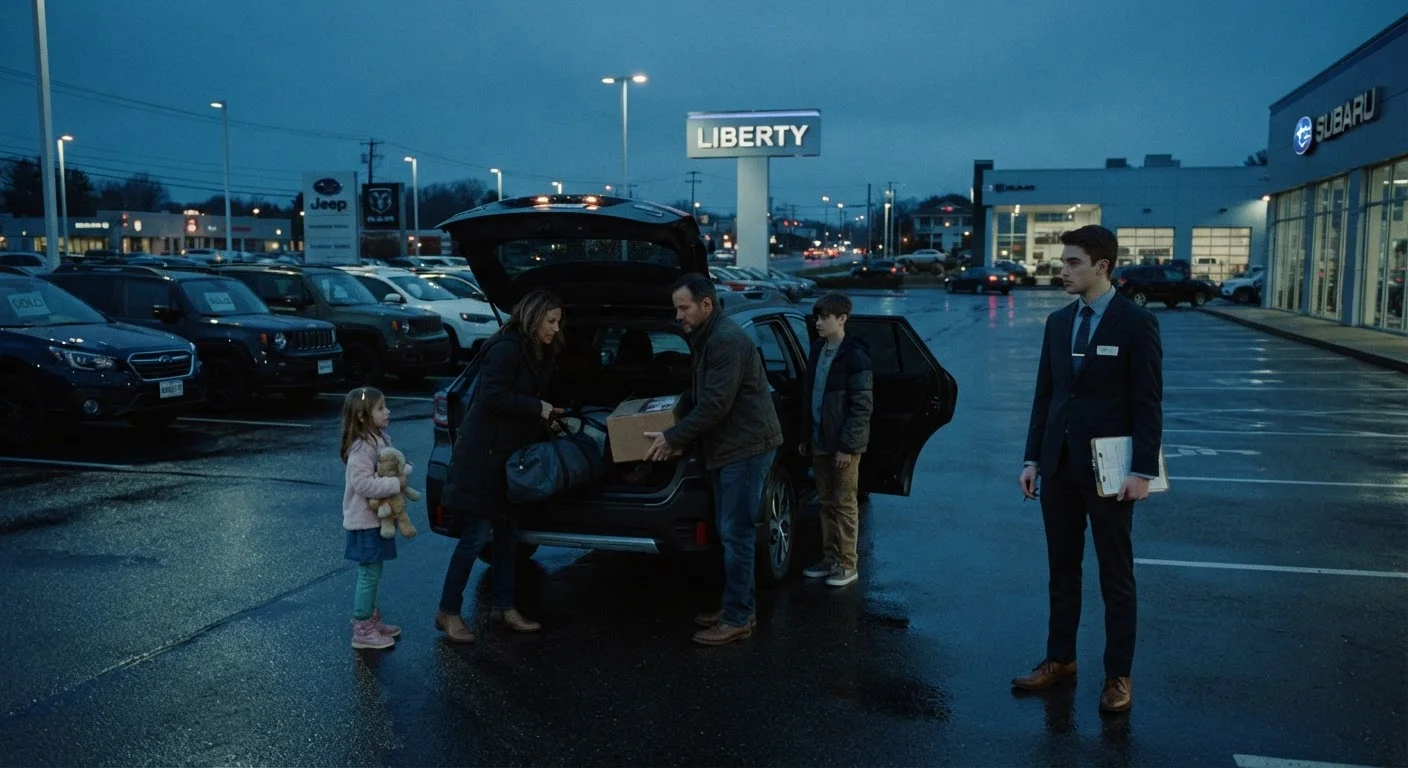
How Spot Delivery Works in Practice
The scenario tends to unfold quickly. A buyer agrees on a price, fills out a credit application, signs a stack of documents, and drives away in a new vehicle - sometimes all within the same afternoon. What many buyers don't realize is that the loan shown on those documents may not yet be approved by an actual lender.
In a spot delivery, the dealership is essentially advancing the vehicle while it shops the buyer's credit application to one or more lenders. The dealer acts as an intermediary between the buyer and financial institutions. Most of the time, the financing clears without issue. But when it doesn't, the call comes - and it typically arrives days or even weeks after the buyer has already settled into their new car.
The contract signed at delivery often contains conditional language - sometimes buried in fine print - indicating that the sale is contingent on financing being secured. Buyers who don't read that language carefully may be surprised to learn the deal wasn't as final as it seemed. For a fuller picture of what gets presented in the finance office, see our article on dealer add-ons that often appear in the finance office.
Not Every Spot Delivery Is a Problem
Many buyers complete spot deliveries without any complications - the financing clears quickly and the signed terms hold. The risk arises specifically when the conditional nature of the sale isn't clearly disclosed, or when a deal falls through and pressure replaces transparency. Understanding the mechanism helps you evaluate the paperwork, not assume the worst in every transaction.
What 'Yo-Yo Financing' Means and Why the Name Fits
When spot delivery goes wrong for the buyer, the experience is often described as yo-yo financing. The buyer gets pulled back in after driving away - hence the back-and-forth motion the name implies.
The concern consumer advocates raise is not just logistical inconvenience. In some documented cases, buyers returned to the dealership and were told their financing was approved only at a higher interest rate or with a larger required down payment. After days of driving the car and, in some cases, returning the trade-in vehicle that was already resold, buyers felt they had little choice but to accept the new terms.
Regulatory agencies and state attorneys general have taken action against dealers in cases where this pattern appeared to be deliberate rather than the result of genuine lender decisions. The Federal Trade Commission has highlighted yo-yo financing as a practice worth consumer awareness. That said, not every case of financing falling through is a bad-faith tactic - lenders do sometimes decline applications that initially appeared approvable.
1 in 4
Car buyers who report confusion about financing terms at signing
Consumer advocacy research has consistently found that a significant share of buyers don't fully understand the loan terms they sign at dealerships, particularly around conditional approval language.
Varies by state
Legal protections for conditional car sale disclosures
State-level consumer protection laws governing spot delivery disclosures differ widely, meaning buyer rights in a yo-yo situation depend heavily on where the transaction took place.
Protecting Yourself Before You Sign
The most effective protection is arranging financing before you arrive at the dealership. When you hold a pre-approved loan offer from your bank or credit union, you know your rate, your monthly payment, and your borrowing ceiling - before a single negotiation begins. That removes the conditional uncertainty that spot delivery introduces. Our overview of financing through a dealer vs. your own bank or credit union explains the structural differences in detail.
If you do proceed with dealer-arranged financing, ask directly whether the loan has been formally approved by a lender before you take the vehicle. Request written confirmation of approval status. If the paperwork contains any language referencing a conditional sale or pending lender review, ask for clarification in writing before driving away.
It's also worth understanding where financing fits within the broader transaction. Knowing concepts like dealer holdback and how dealerships structure deals can help you see the full picture before committing.
Ask One Direct Question Before You Drive Away
Before accepting delivery, ask the finance manager: 'Has this loan been formally approved by the lender, and can you show me written confirmation?' A confirmed approval means the conditional window has closed. If they cannot provide confirmation, you have the right to wait until they can - or to explore your own financing options before signing.
What to Do If You're Already in a Yo-Yo Situation
If you've already taken delivery and then receive a call saying your financing terms have changed, you have more options than the situation may feel like in the moment. First, don't immediately return the car or sign new documents under pressure. Ask for all new terms in writing and take time to review them.
Contact your state's consumer protection office or attorney general to understand your rights under local law. Some states have enacted specific rules around conditional sales disclosures and limit what a dealer can do if financing falls through. A consumer rights attorney can also help assess whether the situation involves any violations of applicable law.
If you're in a position to explore financing independently at that point, your bank or credit union may be able to provide an alternative loan, potentially on better terms than what the dealer is now offering. Understanding your leverage - including knowing you may not be legally required to accept revised terms - is the foundation for any negotiation that follows.
This article is for general informational and educational purposes only and does not constitute legal, financial, or consumer advice. Laws and protections vary by state. Readers facing specific situations should consult a licensed attorney or contact their state consumer protection office.