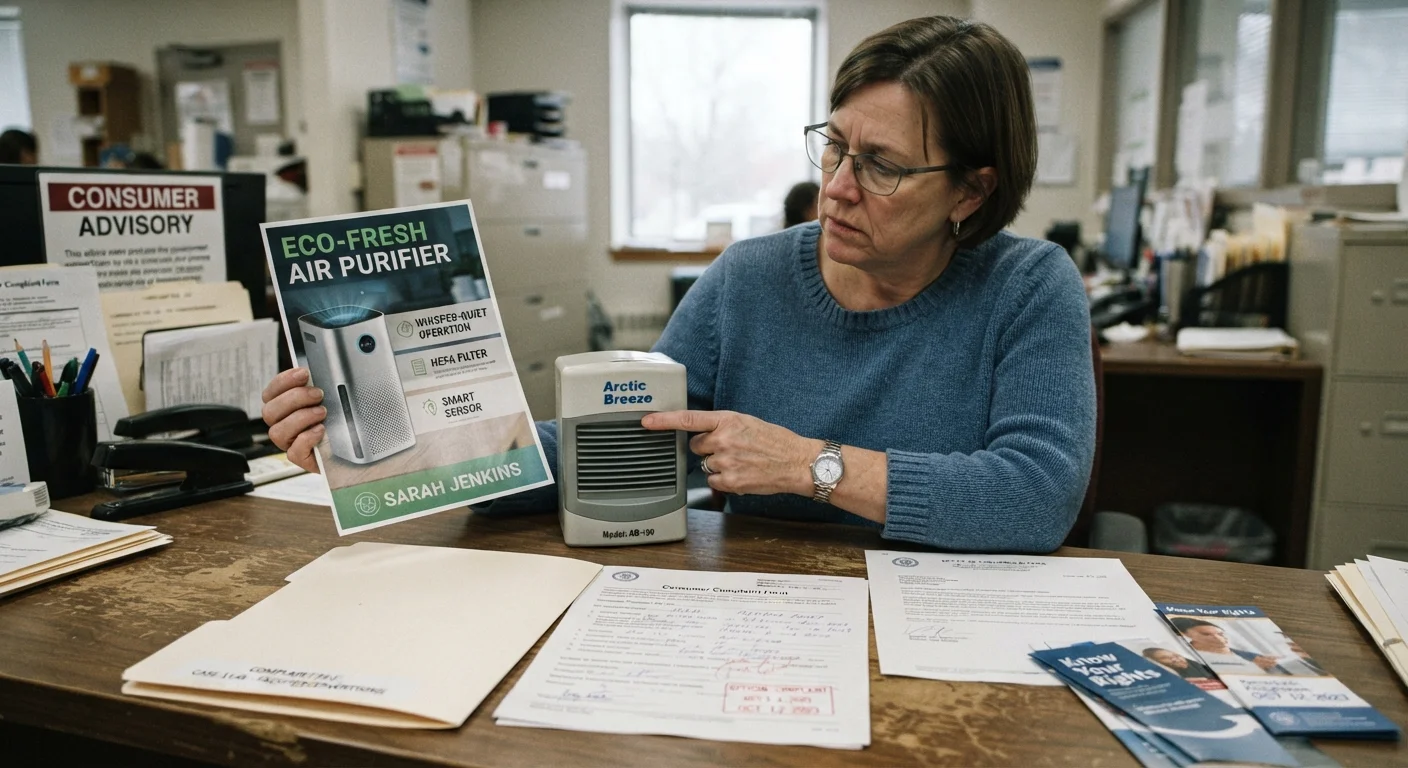
Why False Advertising Complaints Have Multiple Destinations
The U.S. regulatory landscape for advertising oversight is deliberately layered. No single agency holds jurisdiction over every type of misleading promotion, which means the right destination for your complaint depends on the industry, the type of claim, and where the advertiser operates. Understanding this structure helps you file in the right place the first time - and avoid wasting effort.
The Federal Trade Commission (FTC) is the broadest federal authority, covering deceptive acts and practices across most industries. But specific sectors have their own oversight bodies: financial advertising falls partly under the Consumer Financial Protection Bureau (CFPB); health claims on food products involve the FDA; and securities promotions fall under the SEC. State attorneys general add another layer, enforcing state-level consumer protection laws that often run parallel to - and sometimes exceed - federal protections.
Keep a Complaint Paper Trail
After submitting any complaint, save the confirmation number or email. If you file with multiple agencies, log which one you contacted, on what date, and what reference number was assigned. This record is useful if you later escalate or pursue private legal action.
It's also worth distinguishing between complaints intended to trigger enforcement and actions taken to recover your own money. Regulatory complaints inform agency investigations; they rarely produce direct refunds. If personal financial recovery is your goal, a chargeback, small claims filing, or consultation with a consumer attorney may be more direct paths - and can run concurrently with your regulatory complaint.
What to Expect After You File
Federal agencies such as the FTC do not typically contact individual complainants after a report is filed, and they do not resolve individual disputes. Your complaint enters a shared database - the Consumer Sentinel Network - accessible to law enforcement agencies nationally. When enough complaints point to the same advertiser or practice, agencies use that pattern to open formal investigations or bring enforcement actions.
Complaints May Not Yield Personal Refunds
Regulatory agencies like the FTC investigate patterns of deception to protect the public broadly - they do not act as personal advocates in individual disputes. If you need a direct remedy such as a refund or replacement, pursue the seller directly, file a chargeback with your card issuer, or consult a consumer attorney about small claims court.
State attorneys general offices are somewhat more responsive at the individual level. Some states send an acknowledgment and may contact the business on your behalf, particularly for complaints about local companies. Response timelines vary widely.
The BBB operates differently still: it routes your complaint to the business and publishes the response (or lack of one) publicly. This creates reputational accountability but carries no legal enforcement power.
Beware of Third-Party 'Complaint Filing' Services
Some websites charge fees to submit complaints on your behalf to agencies that accept them for free. Official complaint portals at the FTC, state attorneys general, and the BBB cost nothing to use. Paying a third party for this service is unnecessary and could itself be a deceptive practice.
Whatever channels you use, document every step. For a broader view of how to match dispute types to the right forum, our guide on escalating consumer complaints is a practical reference. And if the misleading promotion involved a financial product specifically, the CFPB complaint process walkthrough covers that path in detail.
This article is for general informational purposes only and does not constitute legal or financial advice. Laws and regulatory processes vary by jurisdiction. Consult a licensed attorney or qualified professional for guidance specific to your situation.