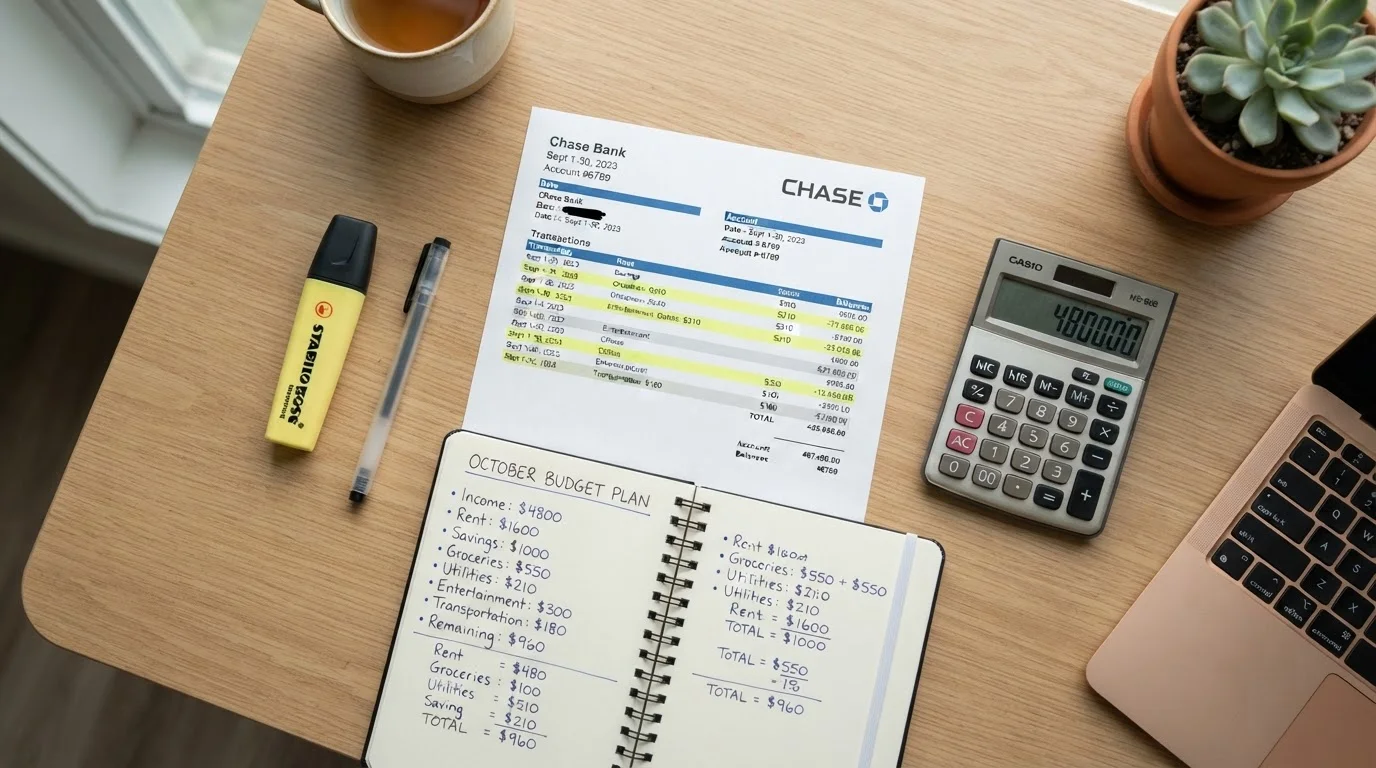
Why a 30-Day Spending Audit Is Worth the Hour
Most people have a rough sense of where their money goes - and that rough sense is usually wrong by a meaningful margin. A structured spending audit closes the gap between what you think you spend and what you actually spend. It's not about judgment; it's about clarity.
Unlike simply checking your bank balance, a proper audit sorts your purchases by utility, regret, and pattern. That distinction matters. A $200 grocery run and a $200 impulse online order both show up the same on a statement, but they deserve very different responses. This checklist walks you through gathering your data, categorizing your purchases honestly, and identifying the one or two changes most likely to improve next month's outcomes.
If you're new to tracking expenses systematically, our guide to tracking every dollar without burning out offers a sustainable foundation before you dive into this audit. And if you're ready to turn audit findings into a full budget review, see our monthly budget review checklist.
This Is Education, Not Financial Advice
A spending audit is a personal information-gathering exercise. The patterns you uncover reflect your own history and can inform your choices going forward. However, this article - and the checklist within it - provides general guidance only, not advice tailored to your financial situation. For decisions involving debt, investments, or tax implications, consult a licensed financial professional.
What You'll Need Before You Start
Gather your tools before you begin so the audit flows without interruption. You'll need access to every account where spending occurred - checking, savings (if used for purchases), and all credit cards. Digital tools can speed up the process, but paper and a pen work just as well.
Bank and credit card statements
The primary source of truth for all transactions during the audit period.
Spreadsheet or budgeting notebook
Used to categorize and total purchases by type for pattern analysis.
Budgeting app with transaction history
Allows automatic categorization and faster sorting if your accounts are linked.
Highlighters or colored pens
Useful for visually sorting printed statements into 'used,' 'regretted,' and 'recurring' groups.
Once your records are in front of you, block the full 30 calendar days you're reviewing. Don't rely on memory - pull the actual statements.
Don't Rely on a Single Account View
It's common to overlook a secondary card or a linked PayPal or digital wallet account. Missing even one source can skew your category totals significantly. Before starting the checklist, confirm you have statements from every payment method you used in the period - including buy-now-pay-later accounts if applicable.
The Spending Audit Checklist
Work through each group in order. The first two groups are data-gathering; the later groups are analysis. Resist the urge to skip ahead - conclusions drawn without complete data tend to reinforce existing blind spots rather than correct them.
Data Gathering
Usage and Value Assessment
Pattern Recognition
Forward Planning
After completing the checklist, take 10 minutes to write three sentences: one on your biggest surprise, one on the single category you'll adjust, and one concrete action you'll take before the next audit. That brief reflection is what converts a data exercise into a behavioral change. If your findings suggest deeper structural problems - stalled savings, chronic overspending - our article on signs your budget needs a reset can help you decide whether a full overhaul is warranted. And for a complementary perspective on spending less without obsessive tracking, see saving consistently without tracking every purchase.
This article is for general informational and educational purposes only and does not constitute personalized financial or legal advice. Please consult a qualified financial professional for guidance tailored to your individual circumstances.