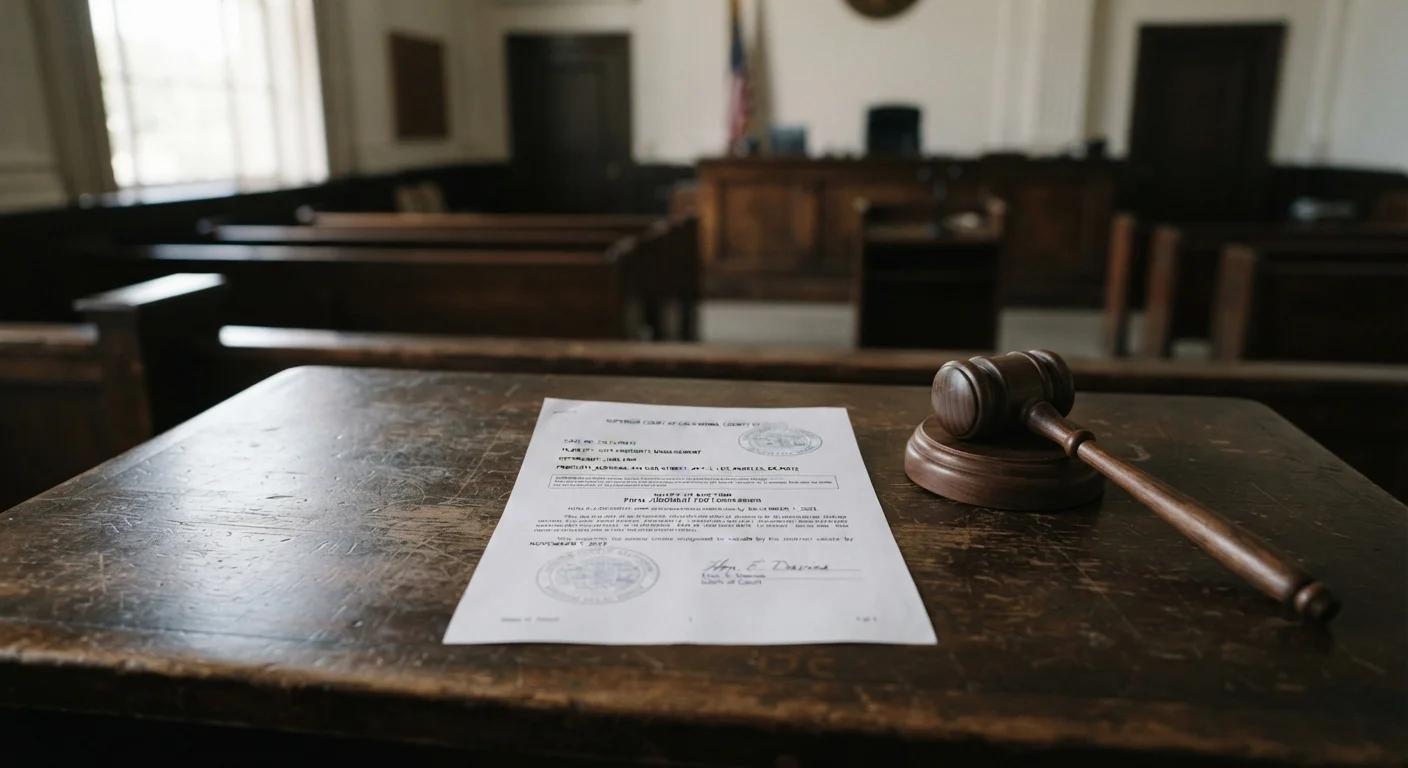
Why Eviction Myths Persist
Eviction is one of the most emotionally charged - and legally misunderstood - events in the landlord-tenant relationship. Both renters and property owners often operate on assumptions passed down informally, leading to costly mistakes on both sides. Tenants may vacate prematurely, believing they have no recourse. Landlords may attempt illegal removal tactics, not realizing the serious liability they're incurring.
The reality is that eviction is a formal legal process governed by state statute, and it is far more tenant-protective than most people assume. Whether you're a renter who just received a notice or a landlord trying to navigate a nonpayment situation, separating myth from law is essential. For broader context on tenant protections, see tenant rights many renters don't know they have.
Myth
A landlord can change the locks or remove belongings to force a tenant out without going to court.
Fact
This is illegal in every U.S. state. It is known as a 'self-help eviction,' and landlords who attempt it can face significant civil liability.
Regardless of how much rent is owed or how serious the lease violation, a landlord has no legal authority to lock out a tenant, shut off utilities, or remove possessions without a court order. These actions constitute an illegal self-help eviction and expose landlords to lawsuits for damages - sometimes including the tenant's right to return to the unit. Tenants who experience this should document everything and consult a legal aid organization or attorney immediately.
Myth
A three-day eviction notice means you must be out in three days.
Fact
A three-day notice is the start of the eviction process, not the end. If you don't comply or vacate, the landlord must still go to court.
A pay-or-quit or cure-or-quit notice gives a tenant the opportunity to remedy the issue - pay overdue rent or correct a lease violation - within the stated period. If the tenant neither pays nor vacates, the landlord's next step is filing an eviction lawsuit. The court then schedules a hearing, both parties present their case, and only a judge can issue a removal order. The total process typically takes several weeks at minimum. See the renter's glossary for definitions of common notice types.
Myth
If you owe rent, you have no defense in an eviction proceeding.
Fact
Tenants can raise legal defenses in court even if they owe rent - including habitability failures, improper notice, and retaliatory intent.
Courts recognize several defenses to eviction. If a landlord failed to maintain habitable conditions, tenants may argue constructive eviction or invoke the implied warranty of habitability. Improper service of a notice or procedural errors can invalidate an eviction filing entirely. If a landlord filed for eviction shortly after a tenant complained about conditions or reported code violations, a retaliation defense may apply. For context on repair-related remedies, see what to do when a landlord fails to make repairs.
Myth
Month-to-month tenants can be evicted immediately, with no notice required.
Fact
Month-to-month tenants are entitled to advance written notice - typically 30 days - before a landlord can end the tenancy without cause.
Most states require landlords to provide 30 days' notice (and sometimes 60 days, depending on how long the tenant has lived there) to terminate a month-to-month tenancy without cause. Many cities with rent stabilization or just-cause eviction ordinances impose even stricter requirements, requiring landlords to state a qualifying reason for termination regardless of lease type. Tenants should verify their local rules, as protections vary considerably by jurisdiction.
Myth
A landlord can evict a tenant for complaining about unsafe conditions.
Fact
Retaliatory eviction is illegal. Most states explicitly prohibit landlords from evicting or raising rent on tenants who exercise their legal rights.
If a landlord initiates eviction proceedings, reduces services, or increases rent within a certain period after a tenant files a housing complaint, requests repairs, or joins a tenant organization, many states presume the action is retaliatory. The burden may shift to the landlord to prove a legitimate, independent reason for the eviction. Tenants who suspect retaliation should document timelines carefully and seek legal counsel.
What the Eviction Process Actually Requires
In every U.S. state, eviction must follow a prescribed legal sequence. A landlord must first deliver a written notice - the type and length of which depend on the reason for eviction and the state's statutes. Common notice types include pay-or-quit notices for unpaid rent, cure-or-quit notices for lease violations, and unconditional quit notices for serious or repeated breaches.
If the tenant does not comply or vacate within the notice period, the landlord must then file an unlawful detainer lawsuit (sometimes called an eviction action) with the local court. Only after winning a court judgment - and only after a sheriff or marshal executes a writ of possession - can a tenant be legally removed. This process often takes weeks to months, even in landlord-friendly jurisdictions.
Never Ignore an Eviction Notice
Even if you believe a notice is improper or retaliatory, ignoring it entirely can result in a default judgment against you in court. Respond within the notice period - either by remedying the issue, negotiating with your landlord, or seeking legal assistance. Missing a court date almost always results in the landlord winning by default, regardless of the merits of your case.
Understanding lease language before a dispute arises is equally important. Review lease clauses that often catch renters off guard to identify provisions that could affect your rights in an eviction scenario. If you ever need to leave on your own terms, how to give proper notice when moving out explains the required steps to protect your deposit and rental history.
3.6M
Eviction filings per year in the U.S.
According to the Eviction Lab at Princeton University, approximately 3.6 million eviction cases are filed annually in the United States.
~50%
Tenants who appear without legal representation
Research consistently finds that the majority of tenants in eviction court appear without an attorney, compared to a high proportion of landlords who have legal counsel.
This article is for general informational and educational purposes only and does not constitute legal advice. Eviction laws vary significantly by state and locality. If you are facing an eviction or a housing dispute, consult a licensed attorney or contact a local legal aid organization for guidance specific to your situation.