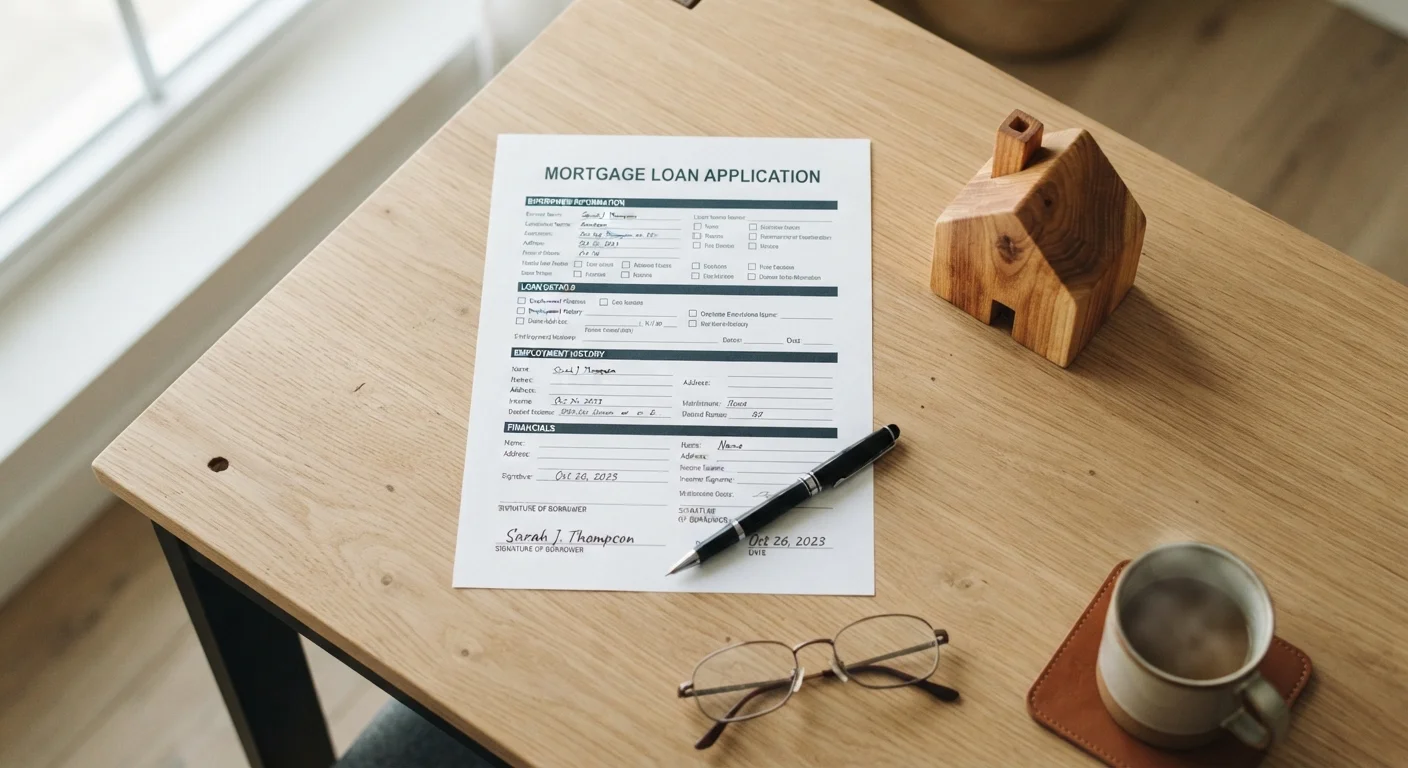
What Pre-Approval Actually Means
When a lender issues a pre-approval, they've reviewed your income, employment history, assets, debts, and credit score and determined that - based on that snapshot - you're a credible borrower up to a stated loan amount. It's a meaningful step beyond pre-qualification, which relies on self-reported figures and carries less weight.
Pre-approval results in a letter you can present to sellers, signaling that a lender is willing to back your offer. For sellers, this matters: it separates serious buyers from those who are still browsing. However, a pre-approval letter is not a binding loan commitment. It contains important caveats: the lender hasn't yet reviewed a specific property, and your approval is contingent on your financial situation remaining essentially the same.
Keep Your Finances Stable After Pre-Approval
Avoid opening new credit accounts, making large purchases, or changing jobs between pre-approval and closing. Lenders verify your financial profile again before issuing full approval, and significant changes can delay or derail the process.
Think of pre-approval as the lender saying, "We're confident in you - now show us the house."
What Changes at Full Approval
Full approval - also called final approval or a clear to close - happens after you've signed a purchase agreement on a specific property and the lender has verified every piece of the puzzle. At this stage, underwriting is complete, meaning a trained reviewer has examined not just your finances but also the property itself.
Two critical steps happen between pre-approval and full approval that didn't exist before:
- Property appraisal: An independent appraiser confirms the home's market value. If the home appraises below the agreed purchase price, the lender may not fund the full loan amount.
- Title search: A title company examines public records to confirm the seller has the legal right to sell and that no liens, disputes, or encumbrances could cloud your ownership.
Only after these checks - and a final review of your updated financial documents - does the lender issue full approval. To understand what underwriters examine in detail, see what happens during mortgage underwriting.
~8%
Mortgage applications denied after initial approval
The Consumer Financial Protection Bureau notes that denial rates at underwriting - after initial approval - remain a meaningful risk for borrowers whose circumstances change during the process.
60-90 days
Typical pre-approval letter validity window
Most lenders issue pre-approval letters valid for 60 to 90 days, after which updated financial documentation is typically required before the letter can be renewed.
30-60 days
Average time from offer to full approval
Industry estimates generally place the underwriting and full-approval timeline at 30 to 60 days after a purchase agreement is signed, depending on lender capacity and property complexity.
The Gap Between the Two: What Can Go Wrong
Most buyers who reach pre-approval successfully reach full approval - but the gap between the two stages is where surprises can emerge. Common reasons a full approval is delayed or denied include:
- A job change or gap in employment after pre-approval
- Taking on new debt, such as financing a car or opening a credit card
- A home appraisal that comes in lower than the purchase price
- Title issues discovered during the property search
- Documentation gaps that underwriting flags as unresolved
Your credit profile plays a role throughout this entire process. Lenders frequently pull a second credit report close to closing - so maintaining your credit health from application through settlement is important.
The best way to protect your position is to begin the process well-prepared. Reviewing the guidance in preparing financially before applying for a mortgage can help you avoid the most common pitfalls.
Keeping the Full Picture in View
Pre-approval and full approval are both milestones in a longer journey. For a complete walkthrough of every stage - from your first lender conversation to receiving the keys - see the full lifecycle of a home purchase.
Understanding where each approval sits in that process helps you set realistic expectations, avoid financial missteps during escrow, and communicate more clearly with your agent and lender. Pre-approval opens the door to competitive offers; full approval is what actually funds your purchase.
Conditional Approvals Are Common
Many full approvals come back as "conditional," meaning the lender needs one or two additional items - such as a letter explaining a past bank deposit or updated pay stubs - before issuing a clear to close. A conditional approval is not a denial; it simply means the underwriter needs more information before finalizing the loan.
This article is for general informational and educational purposes only and does not constitute financial, legal, or mortgage advice. Loan terms, approval criteria, and processes vary by lender and individual circumstances. Consult a licensed mortgage professional for guidance specific to your situation.