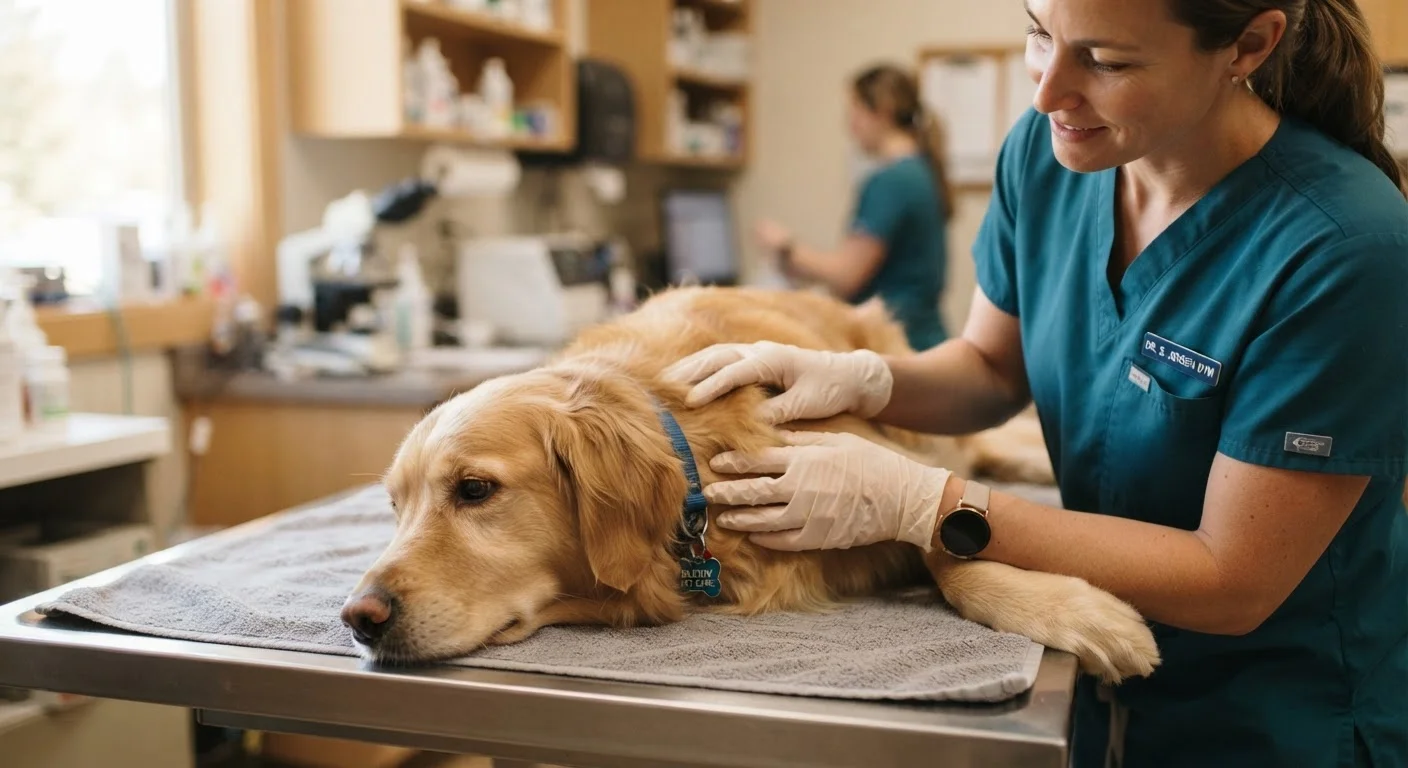
Why Pain Assessment Is the Hardest Part
The fundamental challenge in veterinary pain management is that patients cannot say where it hurts. Vets must infer pain from indirect evidence - behavior, posture, physiological measurements, and owner observations. This is why your account of changes at home matters enormously during a vet visit.
To standardize assessment, veterinary medicine has developed species-specific pain scales. Tools like the Glasgow Composite Pain Scale (dogs) and the Feline Grimace Scale evaluate measurable signs - facial tension, body position, response to touch - and assign numeric scores that guide treatment decisions. These scales help make pain assessment more objective and repeatable across different clinicians.
Pain also presents differently across species. A dog in pain may whimper, limp, or become aggressive. A cat in the same condition may simply stop jumping onto furniture or groom less. Prey animals like rabbits and birds often suppress all pain signals instinctively, making detection even harder. Owners who know their pet's normal behavior baseline are invaluable in catching these early, subtle shifts.
Species Differences Matter Greatly
Pain assessment tools and medication protocols are not interchangeable across species. A drug safe for dogs may be dangerous for cats, and exotic animals like birds or reptiles require specialists with specific training. Always ensure your vet has relevant species experience when seeking pain management for less common pets.
The Multimodal Approach: Combining Tools for Better Relief
Modern veterinary pain management rarely relies on a single medication. Instead, vets design multimodal protocols that target multiple points along the pain pathway simultaneously. This strategy typically produces better pain control at lower individual drug doses - reducing the risk of side effects without sacrificing effectiveness.
A typical multimodal plan might include:
- NSAIDs (non-steroidal anti-inflammatory drugs): Used to reduce inflammation and mild-to-moderate pain. Veterinary-formulated NSAIDs are prescribed based on species and individual health profile. Human NSAIDs should never be given to pets without veterinary direction.
- Opioids: Reserved for moderate-to-severe pain, particularly around surgery. Dosing and drug selection are carefully calibrated by the veterinarian.
- Local anesthetics: Used for nerve blocks before and during procedures to prevent pain signals from reaching the brain.
- Adjunct medications: Drugs like gabapentin (originally an anti-seizure medication) are increasingly used for neuropathic or chronic pain conditions in both dogs and cats.
- Physical and rehabilitative therapies: Laser therapy (photobiomodulation), therapeutic ultrasound, hydrotherapy, and structured rehabilitation exercises are now well-established in veterinary practice.
Acupuncture is also offered by certified veterinary practitioners and has growing evidence for use in musculoskeletal and neurological pain, though it is typically used as a complement to conventional care rather than a replacement.
Keep a Pain Diary for Chronic Conditions
If your pet has a chronic condition like arthritis, consider keeping a brief daily log of activity level, appetite, mobility, and any behavioral changes. Bringing this record to vet appointments gives your veterinarian a clearer picture of how well the current pain protocol is working and whether adjustments are needed.
Chronic vs. Acute Pain: Different Problems, Different Plans
Veterinarians distinguish carefully between acute pain - short-lived and typically tied to injury or surgery - and chronic pain, which persists over time and often requires ongoing management. Osteoarthritis is among the most common sources of chronic pain in dogs and cats, and it is frequently underdiagnosed because gradual behavioral changes can be mistaken for normal aging.
Acute pain management often centers on perioperative (around-surgery) protocols: pre-emptive analgesia before the painful stimulus occurs, intraoperative support, and a structured post-operative plan. Chronic pain management, by contrast, is iterative - it requires regular reassessment and adjustment as the animal's condition changes over time.
Environmental modifications are especially important in chronic cases. Orthopedic bedding, ramps instead of stairs, raised food bowls, and non-slip floor surfaces can meaningfully reduce daily discomfort for arthritic pets without adding pharmacological burden. These are changes owners can implement at home with veterinary guidance. For a broader look at everyday pet wellness strategies, visit the Pet Care Basics hub.
~80%
of dogs showing signs of osteoarthritis by age 8
Veterinary epidemiological estimates suggest the majority of older dogs experience some degree of degenerative joint disease, though many cases go unrecognized by owners.
3-4x
more effective pain control with multimodal vs. single-drug protocols
Veterinary anesthesiology literature consistently supports that combining analgesic agents targeting different pain pathways produces superior outcomes compared to single-agent approaches.
The Owner's Role in Pain Management
Effective pain management extends beyond the clinic. Vets depend on owners to monitor and report changes between visits - subtle shifts in activity, appetite, sleep patterns, social engagement, or grooming habits can all signal that pain is inadequately controlled or that a condition is progressing.
When a pain management plan is in place, follow-up appointments and honest reporting are essential. Owners sometimes hesitate to report concerns, fearing they are overreacting, but underreported pain leads to undertreated animals. If you are unsure whether what you are observing is significant, a virtual vet consultation can be a practical first step for guidance on behavioral concerns between in-person visits.
Pain management protocols can also carry meaningful cost. Understanding your financial options in advance - whether through pet insurance or veterinary payment plans - can reduce the stress of unexpected expenses. Our article on pet insurance versus veterinary payment plans explains how each option works so you can plan ahead.
This article is for general informational purposes only and does not constitute veterinary medical advice. Always consult a licensed veterinarian for guidance specific to your pet's health needs.