Why Credit Repair Promises Can Sound Convincing
A low credit score can feel like a locked door standing between you and a mortgage, a fair auto loan rate, or even a rental application. That financial pressure makes consumers understandably eager for a quick fix - and it's precisely that urgency that misleading credit repair offers exploit.
Understanding how your credit file actually works is the first line of defense. Reading your credit report carefully reveals what's really in your file and helps you distinguish between legitimate errors worth disputing and accurate history that simply needs time to age off. Once you have that foundation, the bold claims made by some credit repair companies become much easier to evaluate critically.
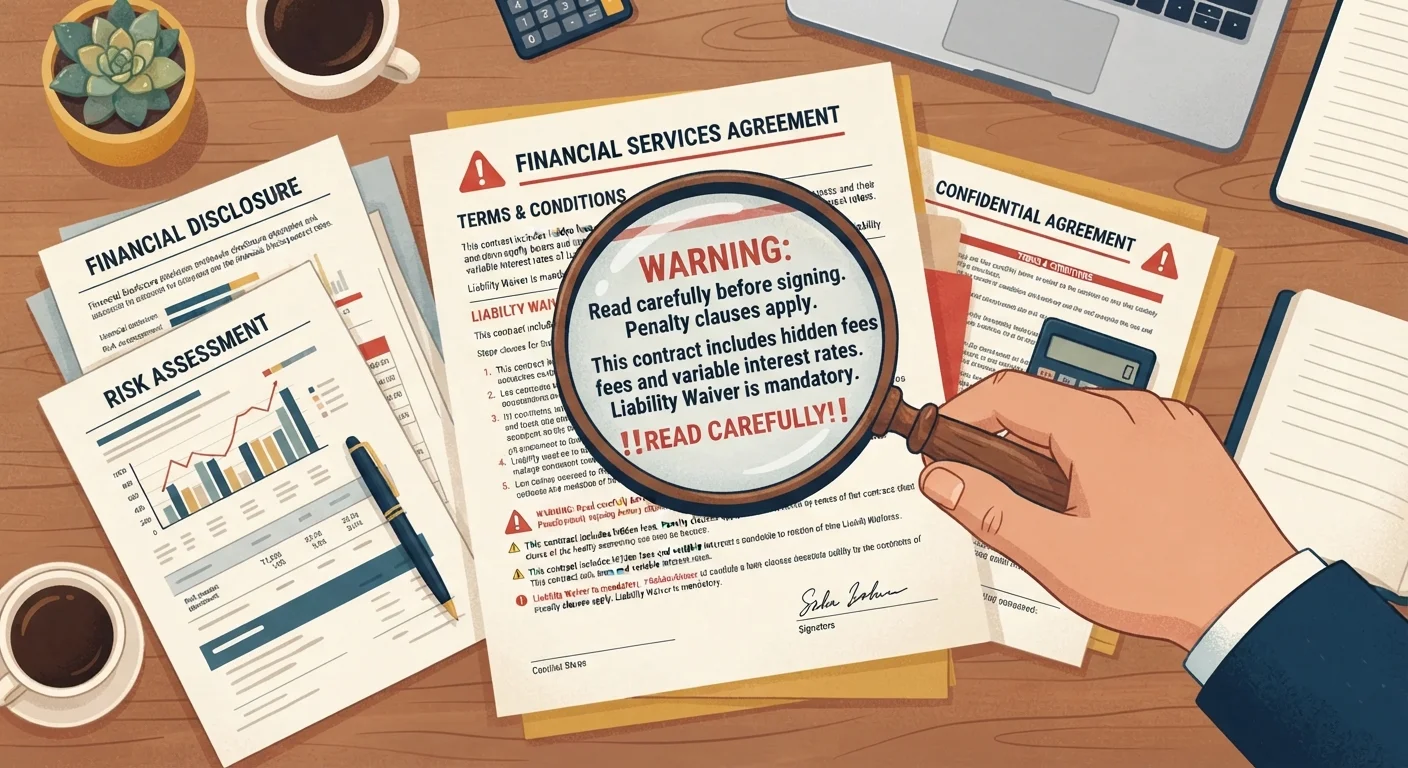
Federal law - specifically the Credit Repair Organizations Act (CROA) - provides important protections, including a three-day right to cancel any credit repair contract. But legal protections only help if you recognize warning signs before signing anything.
Common Mistakes People Make When Evaluating Credit Repair Offers
Assuming a company can remove accurate negative items from your credit report.
Why it happens: Marketing language often implies this is possible, and consumers under financial stress want to believe a fast solution exists.
Paying upfront fees before any credit repair services are delivered.
Why it happens: Companies frame the fee as a deposit or administrative charge, making it seem routine rather than a prohibited practice.
Believing a new credit identity or 'credit privacy number' is a legitimate solution.
Why it happens: Some services suggest creating a new financial identity as a workaround, framing it as a legal strategy.
Skipping the free self-dispute process and paying someone to do it instead.
Why it happens: Consumers often don't realize they can dispute genuine errors directly with credit bureaus at no cost, and paid services project an air of expertise.
Signing a contract without reading the required disclosures or exercising the cancellation right.
Why it happens: Sales pressure and dense contract language cause consumers to sign quickly, unaware that the law gives them time to reconsider.
Beyond the individual mistakes listed above, it's worth understanding the broader pattern. Deceptive credit repair often pairs vague promises with high-pressure sales tactics - the same playbook described in discussions of bait-and-switch tactics. When an offer sounds dramatically better than anything a nonprofit or consumer protection agency would describe as realistic, that gap between promise and reality deserves serious scrutiny.
What Legitimate Credit Improvement Actually Looks Like
Genuine credit improvement is not a service someone else performs on your behalf - it's the cumulative result of consistent financial behavior. Payment history and credit utilization together account for the majority of most credit scores. Making on-time payments, reducing revolving balances, and avoiding unnecessary new credit applications are the levers that move scores over time.
1 in 5
Americans with a credit report error
According to a Federal Trade Commission study, approximately one in five consumers had an error on at least one of their three major credit bureau reports.
7 years
Standard reporting period for most negative items
Under the Fair Credit Reporting Act, most negative information - including late payments and collection accounts - can remain on a credit report for up to seven years before it must be removed.
If your credit report contains a genuine error - an account that isn't yours, a payment incorrectly marked late, or a debt that's been satisfied but still shows as open - you do have the right to dispute it. The process is straightforward and free. Disputing an error on your credit report with the relevant bureau requires no third-party company and no fee.
If debt load is the root issue rather than inaccurate information, nonprofit credit counseling offers a legitimate path. Nonprofit counselors can help you build a budget, negotiate with creditors, and set up a structured repayment plan - services grounded in your actual financial situation rather than empty guarantees.
Finally, separating fact from fiction about how scores work is essential. Many people operate on outdated or inaccurate beliefs about what affects their credit - a problem examined directly in our look at credit score myths. Replacing those myths with accurate information is often more valuable than any paid service.
This article is for general informational purposes only and does not constitute financial, legal, or credit counseling advice. Consult a licensed financial professional or nonprofit credit counselor for guidance specific to your situation.