Why Zero-Fun Budgets Set You Up to Fail
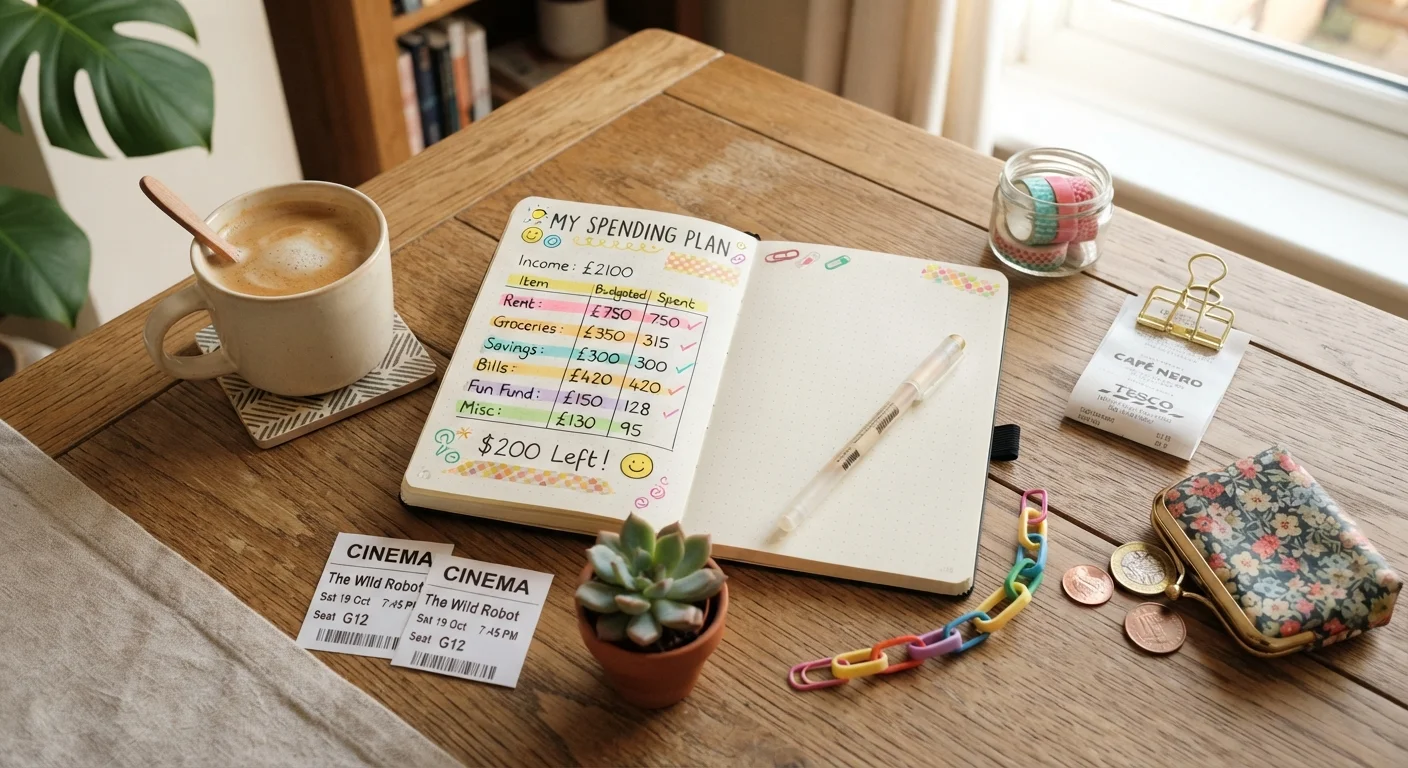
A budget is a spending plan - and a plan that leaves out entire categories of real human behavior is not an accurate plan. When people build budgets that allocate nothing to leisure, social activities, or small pleasures, they are essentially drawing a map that ignores roads they will almost certainly travel.
The result is predictable: the first unplanned restaurant meal or weekend outing feels like a violation, triggering guilt and, often, the conclusion that budgeting simply doesn't work for them. In reality, the budget design failed - not the person.
A Budget That Ignores Enjoyment Won't Last
Cutting every dollar of discretionary spending may look disciplined on paper, but it routinely leads to all-or-nothing thinking - where one unplanned purchase feels like total failure. A sustainable budget is one you can maintain for months and years, not just two weeks. Building in a modest, intentional fun category is a practical financial strategy, not a luxury.
Research and practitioner experience in personal finance consistently point to the same pattern: budgets that include a realistic discretionary category are followed more reliably than those that don't. This isn't permission to spend carelessly - it's an acknowledgment that budgeting doesn't have to restrict your quality of life when it's designed thoughtfully.
Common Mistakes - and How to Fix Them
Below are the most frequent errors people make when discretionary spending is left out of the plan, along with practical ways to correct each one.
Setting a $0 budget for entertainment, hobbies, or dining out and expecting it to hold.
Why it happens: Many people treat a budget as a punishment tool, believing that eliminating all non-essential spending is the fastest path to financial health.
Treating fun spending as optional and deleting it whenever money feels tight.
Why it happens: Discretionary categories are easy targets when people scan for cuts because they don't feel as 'necessary' as rent or utilities.
Failing to distinguish between mindless spending and intentional enjoyment.
Why it happens: Without clear categories, all non-essential spending feels equivalent - so people either allow everything or ban everything.
Ignoring the emotional and psychological cost of a joyless budget.
Why it happens: Personal finance advice often focuses purely on numbers and overlooks how sustained deprivation affects motivation and mental wellbeing.
Watch Out for the Binge-Restrict Cycle
When a budget is too tight, many people swing between rigid restriction and impulsive overspending. This cycle can feel demoralizing and actually undermines savings progress over time. If you notice yourself abandoning your budget entirely after one slip, that is a sign the plan needs more flexibility built in - not more willpower applied.
If any of these patterns sound familiar, you may also benefit from reviewing the signs your budget needs a reset. Sometimes the issue isn't willpower - it's structure.
Building a Budget That You'll Actually Stick To
The fix isn't to spend freely - it's to spend intentionally. Start by looking at what you've actually spent on discretionary categories over the past two or three months. Real numbers are more useful than aspirational ones. As a related resource explains, underestimating your spending is one of the most common budgeting errors and leads directly to the kind of frustration that causes people to quit.
Once you have real baseline figures, set a monthly discretionary cap you can genuinely live within - not one that requires perfect behavior. Consider using a consistent rather than perfectly precise approach: a budget that's approximately right and consistently followed beats one that's mathematically perfect but regularly abandoned.
For irregular expenses that can crowd out fun money - like car registration or holiday gifts - planning ahead is essential. Building those into your budget in advance means you won't be forced to gut your discretionary category when they arrive. See the related guidance on budgeting for annual and irregular expenses for a practical framework.
Finally, setting spending limits anchored in your real priorities - rather than arbitrary round numbers - makes it easier to respect those limits month after month.
This article is for general informational and educational purposes only and does not constitute personalized financial advice. For guidance specific to your financial situation, consult a qualified financial professional.