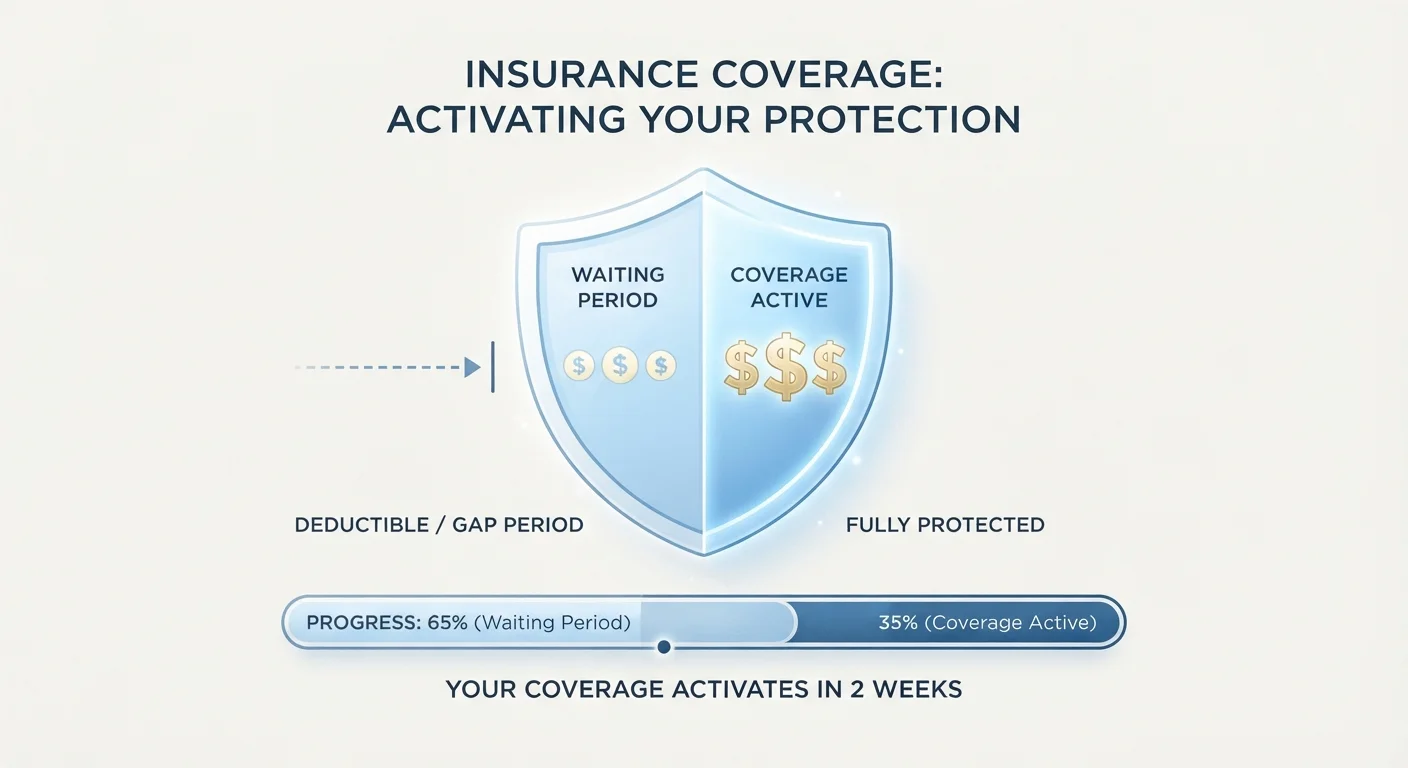
What a Deductible Actually Means
When you buy insurance - whether health, auto, or homeowners - the policy almost always includes a deductible. Think of it as your financial responsibility threshold: the amount you pay first, before your insurance company pays anything on a covered claim.
Here's a simple illustration: Your health plan has a $1,000 deductible. You have a medical procedure that costs $3,000. You pay the first $1,000 entirely out of pocket. Your insurer then evaluates the remaining $2,000 and begins sharing costs according to your plan terms. The deductible is not a penalty - it's a built-in cost-sharing mechanism that affects how premiums are priced.
For a broader look at how this figure connects to your monthly costs and your annual spending ceiling, see how premiums, deductibles, and out-of-pocket maximums work together.
Preventive Care and the Deductible Exception
Under the Affordable Care Act, most qualifying health plans must cover a defined set of preventive services - such as annual wellness visits, certain screenings, and recommended immunizations - at no cost to the patient, even before the deductible is met. This is an important exception that many policyholders overlook. Always verify which services your specific plan covers pre-deductible by reviewing the plan's Summary of Benefits and Coverage.
What Happens After You Meet Your Deductible
Meeting your deductible doesn't mean your insurer pays everything from that point forward - at least not immediately. Most plans move into a coinsurance phase, where you and the insurer split covered costs by a set percentage (commonly 80/20, meaning the insurer pays 80% and you pay 20%). This continues until you hit your plan's out-of-pocket maximum, after which the insurer covers 100% of eligible costs for the remainder of the year.
Many people confuse the deductible with the out-of-pocket maximum, but they serve different purposes. Learn the key difference between your deductible and your out-of-pocket maximum before you select a plan.
It's also worth knowing that copays and coinsurance - costs that continue after the deductible is met - can significantly shape what your coverage actually feels like day-to-day. See how these three cost-sharing tools interact in practice.
$1,763
Average individual health plan deductible
According to KFF's 2023 Employer Health Benefits Survey, the average annual deductible for single coverage in employer-sponsored plans was approximately $1,763.
43%
Workers enrolled in high-deductible health plans
KFF's 2023 Employer Health Benefits Survey found that 43% of covered workers were enrolled in a high-deductible health plan with a savings option.
Common Deductible Structures to Know
Not all deductibles work the same way. Depending on your policy type, you may encounter several variations:
- Individual vs. family deductibles: Family plans often carry both an individual deductible (applied per person) and a combined family deductible. Once the family threshold is met, the insurer begins covering everyone, regardless of where each individual stands.
- Per-claim vs. annual deductibles: Auto and homeowners policies frequently use a per-claim deductible - meaning you pay your deductible each time you file a claim. Health plans typically use annual deductibles that accumulate across the year.
- Separate service deductibles: Some health plans apply a different deductible to prescription drugs or out-of-network providers. These track separately from your main deductible.
Understanding which structure your plan uses helps you anticipate real costs. Check your plan's Summary of Benefits and Coverage (SBC) document - every regulated health plan is required to provide one.
Read Your Summary of Benefits Before Enrolling
Every regulated health plan must provide a standardized Summary of Benefits and Coverage (SBC) document. This two-page form clearly lists your deductible, out-of-pocket maximum, and which services are covered before the deductible applies. Reviewing it before you enroll - not after - can prevent costly surprises when you actually need care.
Choosing a Deductible Amount That Fits Your Situation
The deductible you choose directly affects your monthly premium. Higher deductibles typically mean lower premiums; lower deductibles typically mean higher premiums. Neither is universally better - the right choice depends on your financial situation and how often you expect to use your coverage.
If you rarely visit a doctor and have savings to cover an unexpected event, a higher deductible may keep your monthly costs manageable. If you manage a chronic condition or anticipate significant care, a lower deductible could reduce total annual spending even with a higher premium.
Explore the full trade-offs between high-deductible and low-deductible plans to think through this decision more carefully. For broader guidance on evaluating your options, visit our Choosing Coverage hub.
This article is for general informational and educational purposes only and does not constitute personalized insurance, financial, or legal advice. Coverage terms, deductible rules, and regulations vary by provider and state. Always review your policy documents carefully and consult a licensed insurance agent or advisor for guidance specific to your situation.