Why Your Standard Policy Leaves Gaps
Homeowners and renters insurance policies include sublimits - internal caps on how much they'll pay for certain categories of belongings, regardless of how much those items are actually worth. A standard policy might cap jewelry theft coverage at $1,500 and silverware at $2,500. If your engagement ring cost $8,000, that gap is significant.
These sublimits exist because high-value items carry concentrated risk. Insurers price standard policies around average households, not around individual collections of fine art or vintage watches. To learn more about how base policies are structured, see what a standard homeowners policy includes and misses.
$1,500
Typical jewelry theft sublimit on standard policies
Many standard homeowners and renters policies cap jewelry theft reimbursement at $1,500, regardless of actual item value - a figure cited commonly in policy documents across major insurers.
2-3 years
Recommended re-appraisal interval for scheduled items
Insurance professionals generally advise updating appraisals every two to three years, as the market values of jewelry, art, and collectibles can change substantially over time.
Renters face the same issue. A renters policy may cover personal belongings in aggregate but apply the same restrictive sublimits to valuable categories. What renters insurance actually covers explains these limitations in detail.
How Scheduled Coverage Works
When you schedule an item, you and your insurer agree on a specific dollar value for that item - usually based on a formal appraisal or a verified receipt. That agreed value is what you receive if the item is lost, stolen, or destroyed, with no depreciation applied.
Scheduled coverage is almost always written on an open-perils basis, meaning it covers any cause of loss unless the policy explicitly excludes it. This contrasts with the named-perils structure common in base policies. For a deeper look at that distinction, see named perils vs. open perils policies.
Keep Appraisals and Photos Together
Store digital copies of appraisals, purchase receipts, and photographs of scheduled items in a secure cloud location separate from your home. This documentation speeds up the claims process significantly and helps confirm item condition and authenticity after a loss.
Crucially, open-perils scheduled coverage typically includes mysterious disappearance - meaning if you simply lose a ring and can't explain exactly how, the loss is still covered. Standard policies almost never cover this scenario.
Common Items Worth Scheduling
Almost any item with a value that clearly exceeds standard sublimits is a candidate for scheduling. Common examples include:
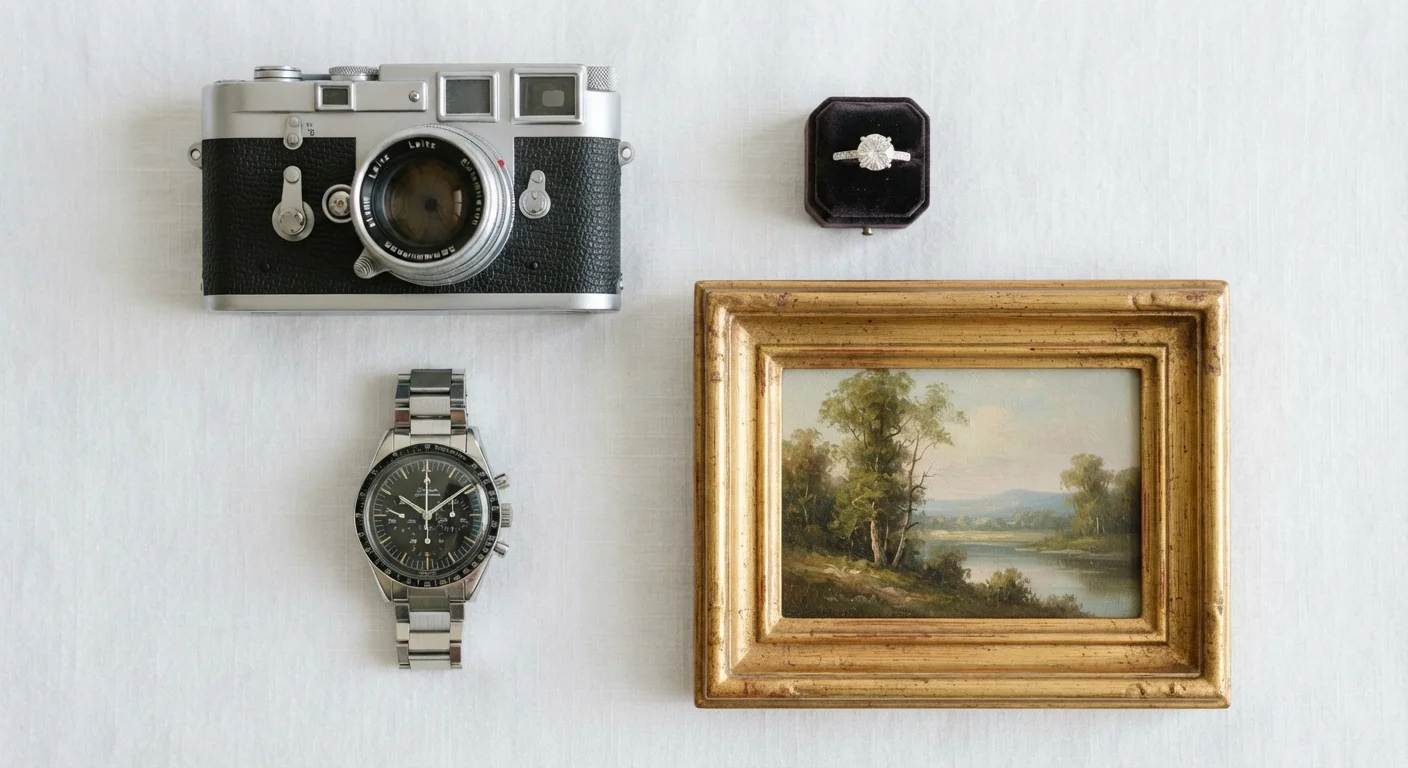
- Jewelry and watches - engagement rings, heirloom pieces, luxury timepieces
- Fine art and collectibles - paintings, sculptures, rare coins, stamps
- Musical instruments - professional-grade guitars, violins, and other instruments
- Camera equipment - DSLR bodies, lenses, and accessories used by serious photographers
- Sporting equipment - high-end golf clubs, bicycles, or ski gear
The decision ultimately comes down to value versus sublimit. If your base policy caps jewelry at $1,500 and you own $4,000 worth of pieces, scheduling makes clear financial sense. Before making coverage decisions, it helps to map your full insurance needs so you can see the whole picture.
What the Process Looks Like
Adding scheduled coverage is straightforward for most policyholders. The general steps are:
- Identify items to schedule - review what you own and compare estimated values against your policy's sublimits.
- Get an appraisal or locate receipts - most insurers require documentation to establish agreed value. Jewelry appraisals should come from a certified gemologist or appraiser.
- Contact your insurer or agent - request a scheduled personal property endorsement. Your insurer may issue it as part of your existing policy or as a separate inland marine floater.
- Review the terms - confirm the covered perils, any exclusions, the deductible (if any), and whether worldwide coverage applies.
- Update periodically - re-appraise scheduled items every few years, particularly for jewelry and art, where market values fluctuate.
Coverage Terms Vary by Insurer
Not all scheduled endorsements are identical. Some insurers exclude certain perils like flood or earthquake even on scheduled items. Others may require items to be stored in a safe or require specific security measures. Always read the endorsement language carefully and ask your agent about any conditions or exclusions before finalizing coverage.
This article provides general insurance education and is not personalized advice. Coverage terms, sublimits, and premium costs vary by insurer and state. Always read your actual policy documents and consult a licensed insurance professional for guidance specific to your situation.