What Meditation Actually Is (and Isn't)
Meditation is often surrounded by mystique - images of monks, chanting, or perfectly silent minds. In practice, it is far more ordinary and accessible. At its core, meditation is intentional mental training: the repeated practice of directing your attention to a chosen object (often the breath), noticing when your mind wanders, and bringing it back without judgment.
It is not a religion, a personality type, or a state of bliss. It is a skill, and like any skill - running, cooking, learning a language - it develops with repetition. The brain's ability to change through practice is well established in neuroscience, and research into meditation's effects on attention, stress response, and emotional regulation is an active and growing field. For a clear look at what the evidence actually supports, see what the research really says about mindfulness.
Mindfulness
The practice of paying attention to the present moment - thoughts, feelings, and surroundings - without judging them as good or bad.
Focused attention
A meditation approach where you concentrate on one specific thing, such as the breath, and repeatedly return to it when your mind wanders.
Open monitoring
A style of meditation where you observe whatever arises in awareness - sounds, sensations, thoughts - without locking attention on any single thing.
Loving-kindness (metta)
A practice of mentally sending goodwill and warm wishes to yourself and others, often using silently repeated phrases.
Body scan
A meditation technique where you slowly direct attention through different areas of the body to notice physical sensations without trying to change them.
Types of Meditation Worth Knowing About
Beginners are often paralyzed by the sheer variety of meditation styles available. Here is a practical overview of the most common approaches:
- Mindfulness meditation: Rooted in Buddhist tradition but widely secularized, this involves observing the present moment - usually the breath - without judgment. It is the style most studied in Western clinical settings.
- Body scan: A guided practice of systematically directing attention through different parts of the body. Often used for relaxation and developing body awareness.
- Loving-kindness (metta): Involves silently directing phrases of goodwill toward yourself and others. Some research suggests it may support positive emotion and social connection.
- Guided meditation: An instructor or audio recording leads the session. Useful for beginners who find unguided silence uncomfortable.
- Breath counting: A simple concentration practice of silently counting each exhale up to ten, then restarting. It gives the mind a concrete task.
No one style is objectively superior. The most effective type for you is the one you will actually return to.
Start With Guided Audio if Silence Feels Hard
Many beginners find unguided silence uncomfortable or disorienting at first. Starting with a short guided meditation - widely available through free apps and public broadcasting platforms - gives your mind a voice to follow while you build familiarity with the practice. You can gradually reduce guidance as you grow more comfortable sitting on your own.
How to Start: A Realistic First Week
Overcomplicating the start is a common reason people give up before giving meditation a fair chance. Here is a grounded approach for the first seven days:
- Pick one style. Choose breath-focused mindfulness or a guided audio session. Commit to it for the week before experimenting with others.
- Set a small, non-negotiable duration. Five minutes is enough. Set a timer so you aren't checking the clock.
- Choose a consistent time and place. Habit formation research consistently shows that tying a new behavior to an existing anchor - like morning coffee or brushing your teeth - improves follow-through.
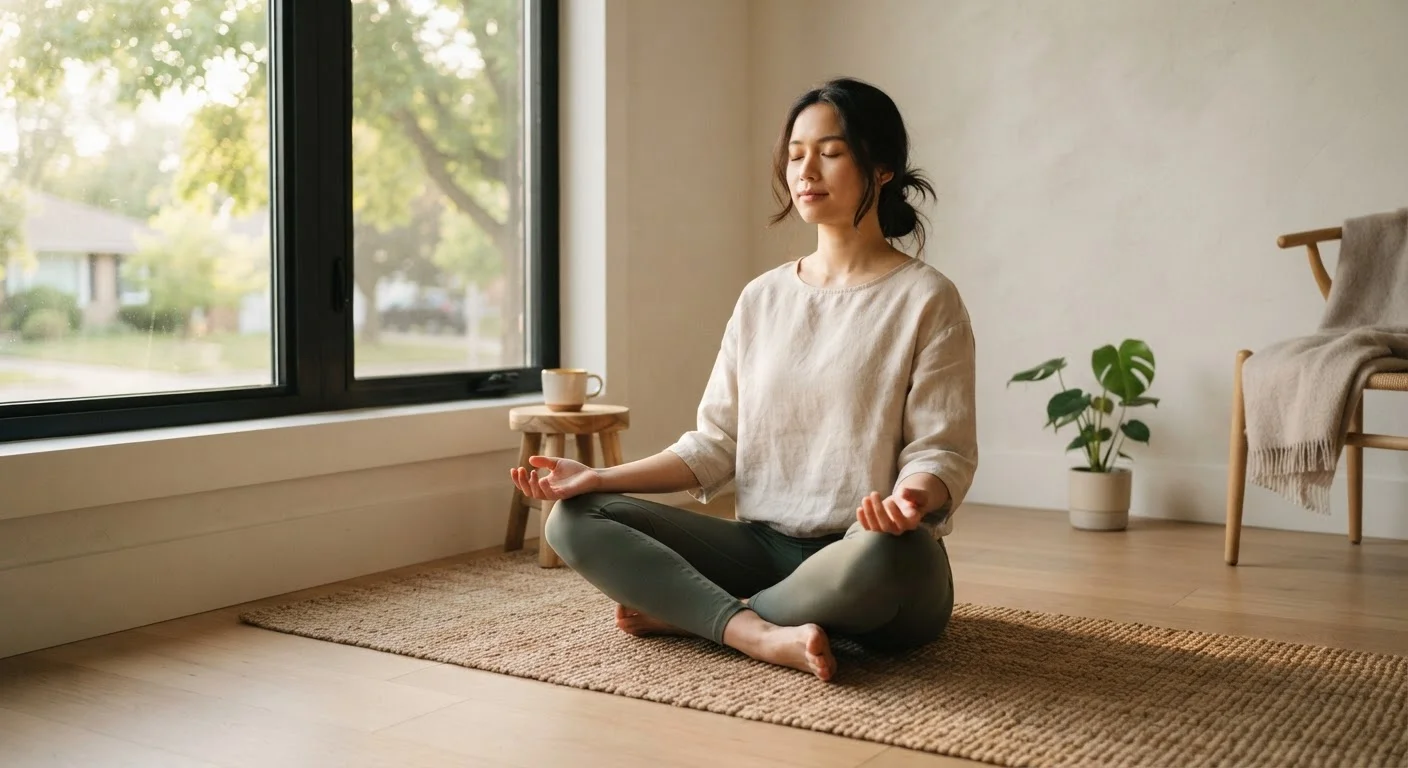
- Sit comfortably and close your eyes. You don't need a cushion or a designated room. A chair, a quiet corner, even a parked car works.
- Focus on the breath. Notice the sensation of each inhale and exhale. When thoughts arise - and they will - simply note them and return to the breath.
- End without judgment. Whether it felt calm or chaotic, the session counts. Consistency beats quality at this stage.
Building habits from scratch takes patience, much like building a running routine from zero. Small, repeatable actions compound over time.
Common Obstacles and How to Work Through Them
Most beginners encounter the same handful of challenges. Knowing them in advance reduces the chance they'll derail you.
- "My mind won't stop."
- This is the most universal complaint - and a misunderstanding of the goal. Thoughts arising is not failure; it is the practice. Each time you notice a thought and return to the breath, you are doing exactly what meditation trains.
- "I fall asleep."
- Try sitting rather than lying down, and practice at a time when you are less fatigued. A slightly upright posture and eyes slightly open (softly downcast) can help maintain alertness.
- "I don't have time."
- Five minutes genuinely is enough to begin. Consider where small windows already exist in your day - a lunch break, time before bed, or the minutes before a morning commute.
- "I don't feel anything."
- Early meditation rarely produces dramatic effects. The benefits described in research tend to accumulate over weeks and months of regular practice, not single sessions.
Meditation Is Not a Mental Health Treatment
While meditation can be a supportive wellness practice, it is not a clinically validated standalone treatment for anxiety disorders, depression, PTSD, or other mental health conditions. If you are experiencing significant psychological distress or have a diagnosed condition, speak with a licensed mental health professional before relying on meditation as a primary coping tool.
What to Expect Over Time
Managing expectations is one of the most important factors in sustaining a meditation practice. Here is an honest picture of what consistent practice may - and may not - bring.
Over days and weeks, many practitioners report finding it slightly easier to redirect a wandering mind. Over months, some notice improved capacity to pause before reacting to stress, or a modest reduction in baseline anxiety. These are not guaranteed outcomes, and individual experience varies considerably.
Meditation is not a cure for mental health conditions, nor should it replace professional care. If you live with anxiety, depression, trauma, or another mental health condition, please consult a qualified healthcare professional before or alongside starting a practice. For some people with certain trauma histories, intensive meditation can occasionally surface difficult feelings - another reason to seek professional guidance if that applies to you.
What meditation reliably offers, when approached with realistic expectations, is a daily practice of intentional attention - a mental habit that, like any habit, gets easier and more natural with repetition. That's a modest promise, but a durable one.
Mindfulness Research Guide (APA)
The American Psychological Association publishes accessible overviews of mindfulness research, including what clinical studies have and haven't confirmed about meditation's effects.
NCCIH Meditation Overview
The National Center for Complementary and Integrative Health provides a factual, evidence-grounded overview of meditation types, uses, and what the current science shows.
This article is for general informational and educational purposes only and is not a substitute for professional medical or mental health advice. Always consult a qualified healthcare provider with any questions you may have about your mental health or wellbeing.