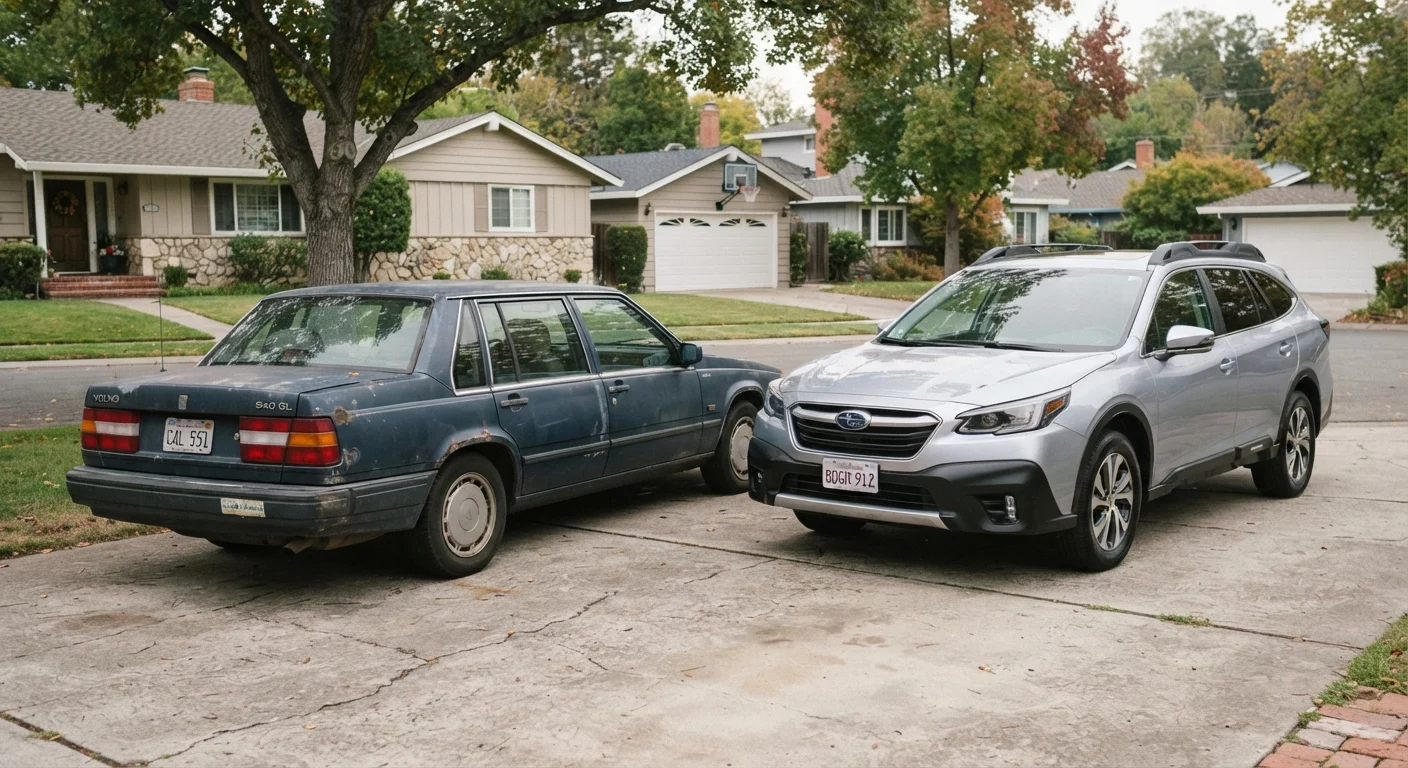
Why Vehicle Age Matters to Insurers
When an insurer prices your auto policy, one of the underlying calculations involves your vehicle's actual cash value (ACV) - essentially what your car is worth on the open market today, accounting for depreciation. As a vehicle ages and accumulates miles, its ACV generally falls. This has direct implications for how a claim would be paid out.
In a total-loss scenario - where repair costs exceed the vehicle's value - the insurer pays the ACV, not the original purchase price or replacement cost. On a ten-year-old vehicle with significant mileage, that figure can be considerably lower than what a driver might expect. Understanding this dynamic is a starting point for evaluating whether certain coverage types still make economic sense.
Several other rating factors also interact with vehicle age, including safety features, historical repair costs for that make and model, and availability of replacement parts for older vehicles.
Comprehensive and Collision: When They Still Make Sense
Comprehensive coverage pays for non-collision damage - theft, weather events, fire, and similar incidents. Collision coverage pays for damage resulting from an accident with another vehicle or object. Both are optional (unless required by a lender or lessor), and both are priced in relation to the vehicle's value.
On a newer or higher-value vehicle, these coverages provide meaningful financial protection. On an older vehicle with a low ACV, the math can shift. If your annual combined premium for comprehensive and collision exceeds a significant fraction of what the insurer would actually pay in a worst-case claim, the coverage may provide diminishing returns.
Review Your Coverage When Your Car Reaches Key Milestones
Consider revisiting your comprehensive and collision coverage whenever your vehicle crosses a significant age or mileage threshold - for example, at 7-10 years old or 100,000+ miles. At these points, the vehicle's actual cash value may have dropped enough that retaining or adjusting certain coverages deserves a fresh look. A quick check with your insurer or agent costs nothing.
That said, dropping these coverages entirely means the owner absorbs the full cost of repairs or replacement after a covered event. This decision depends on personal financial resilience - whether you could comfortably cover those costs out of pocket. See our broader discussion on choosing the right coverage levels for a fuller framework.
How Condition Affects Insurability
Age alone doesn't tell the complete story. Two vehicles of the same model year can be in dramatically different condition. A well-maintained car with service records, functioning safety systems, and no structural damage presents a different risk profile than one with deferred maintenance or prior accident damage.
~20%
Typical first-year new car depreciation
Industry estimates generally place new vehicle depreciation at roughly 15-20% in the first year, accelerating the decline in actual cash value that affects insurance payouts.
50%+
Value lost in first three years
Many vehicles lose more than half their original value within three to five years, according to broadly cited automotive depreciation analyses, directly reducing the maximum an insurer would pay on a comprehensive or collision claim.
Vehicles with salvage or rebuilt titles - indicating prior severe damage that was repaired - face the most significant insurance restrictions. Many standard carriers will only offer liability coverage on these vehicles, because accurately valuing them for comprehensive or collision purposes is difficult. Specialty or non-standard insurers may fill this gap, though terms vary.
Safety features also factor in. Older vehicles may lack modern driver-assist technologies, which some insurers weigh when setting premiums. Conversely, some older vehicles have simpler repair profiles that keep parts costs manageable. The full set of variables insurers use is broader than most drivers realize.
Practical Coverage Decisions for Aging Vehicles
There's no one-size-fits-all answer to how much coverage to carry on an older car, but a few practical considerations can guide the decision:
- Know your vehicle's current market value. Resources like published used-car valuation guides provide a reasonable estimate of what your car would sell for today in its current condition.
- Compare premium cost to potential payout. If your comprehensive and collision premiums plus your deductible approach or exceed your vehicle's ACV, the coverage offers limited net benefit.
- Don't overlook liability coverage. Regardless of vehicle age, liability coverage - which pays for damage or injury you cause to others - remains essential and is required by law in nearly every state.
- Consider your financial cushion. If absorbing the cost of replacing an older vehicle would create genuine hardship, maintaining broader coverage may still make sense even if the math is close.
How vehicle costs evolve over time is worth considering alongside insurance decisions, since the two are closely connected. A licensed insurance agent can help you weigh these factors against your specific circumstances.
Liability Coverage Is Always Required
No matter how old or low-value your vehicle is, nearly every U.S. state mandates a minimum level of liability insurance. This coverage pays for harm you cause to other people or their property - it has nothing to do with your own vehicle's value. Dropping comprehensive or collision on an older car is a personal financial decision; dropping liability coverage is not a legal option in most jurisdictions.
This article is for general informational purposes only and does not constitute personalized insurance or financial advice. Coverage options, terms, and regulations vary by insurer and state. Consult a licensed insurance professional for guidance specific to your situation.